FAQ


FAQ

Find answers to common questions about our products. If you can’t find what you’re looking for, feel free to contact our support team.


1.What models of Jackwal Infrared Burners are available?

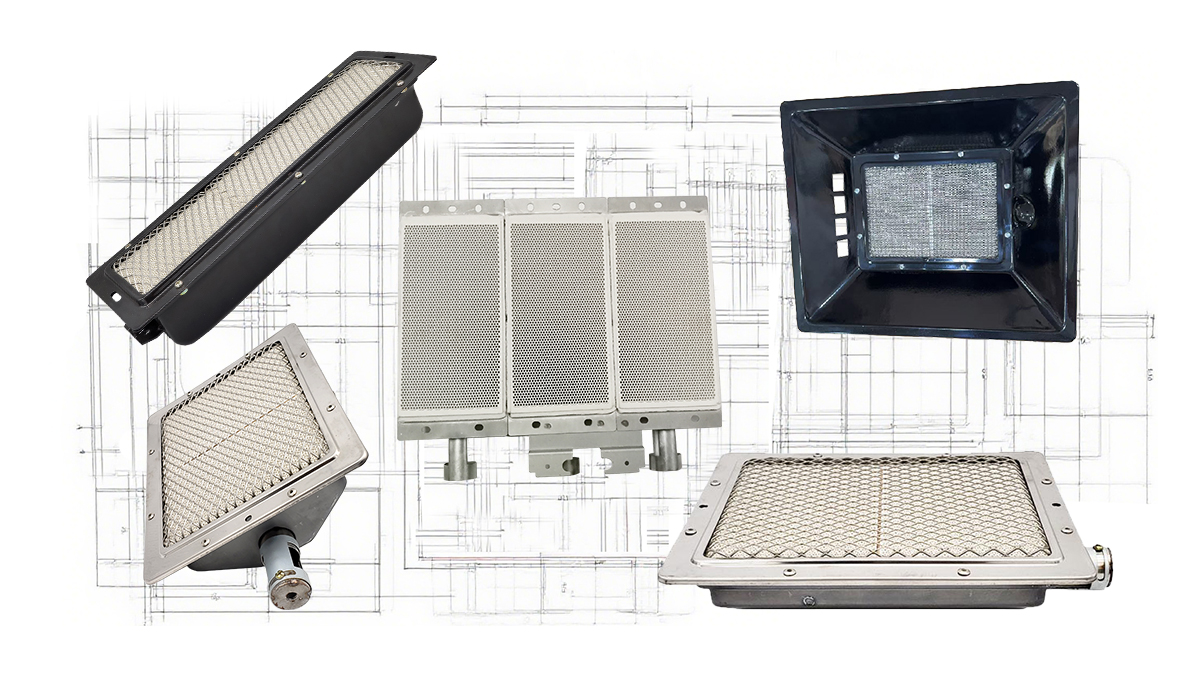
Jackwal offers a variety of infrared burner models covering different sizes to meet diverse needs. The main models include but are not limited to: 60mm specification: Infrared-Burner-UBN2405 80mm related specifications: Infrared-Burner-UBN2190 93mm specification: Infrared-Burner-UBN2450, Infrared-Burner-UBN2660 103mm specification: Infrared-Burner 105mm specification: Infrared-Burner-UBN2350B 120mm specification: Infrared-Burner-UBN2295A 190mm specification: Infrared-Burner-UBN1220T 220mm specification: Infrared-Burner-UBN1220P


2.What are the technical advantages of Jackwal infrared burners?

The core technical advantages of Jackwal infrared burners include: Optimized Wavelength: Operating wavelength of 2-5 microns, which is the optimal range for enhancing heat absorption in various materials, ensuring maximum heat utilization efficiency and minimal energy loss. Instant Heating: No preheating time required, producing heat immediately after startup, saving waiting costs. Wide Temperature Control Range: Temperature control from 100°F (approximately 37.8°C) to 1800°F (approximately 982.2°C), meeting precise heating requirements for different scenarios.


3.What are the core advantages of Jackwal infrared burners compared to traditional heating methods?

The core technical advantages of Jackwal infrared burners include: Optimized Wavelength:Operating wavelength of 2-5 microns, which is the optimal range for enhancing heat absorption in various materials, ensuring maximum heat utilization efficiency and minimal energy loss. Instant Heating:No preheating time required, producing heat immediately after startup, saving waiting costs. Wide Temperature Control Range:Temperature control from 100°F (approximately 37.8°C) to 1800°F (approximately 982.2°C), meeting precise heating requirements for different scenarios.


4.What are the core advantages of Jackwal infrared burners compared to traditional heating methods?

Jackwal infrared burners outperform traditional heating methods in several aspects as follows: Water and Energy Savings:Water usage reduced by up to 50% compared to traditional methods; energy conversion efficiency reaches 90%, far exceeding traditional natural gas burners (55%) and electric resistance heating (65%), significantly reducing energy consumption. Time-saving and Efficient:Directly heats objects, reducing processing time by 30%-50% and improving production efficiency. Environmental Protection and Safety:Lower emissions and smaller carbon footprint, better meeting environmental requirements; surface remains at room temperature and touchable, combined with advanced safety mechanisms to effectively prevent accidents. Stability and Durability:Uniform heating with minimal temperature fluctuations; durable structure with low maintenance requirements and longer service life. Precise Control:High temperature adjustment accuracy, matching fine heating requirements in various scenarios.


5.How is the energy-saving effect of Jackwal infrared burners specifically reflected?

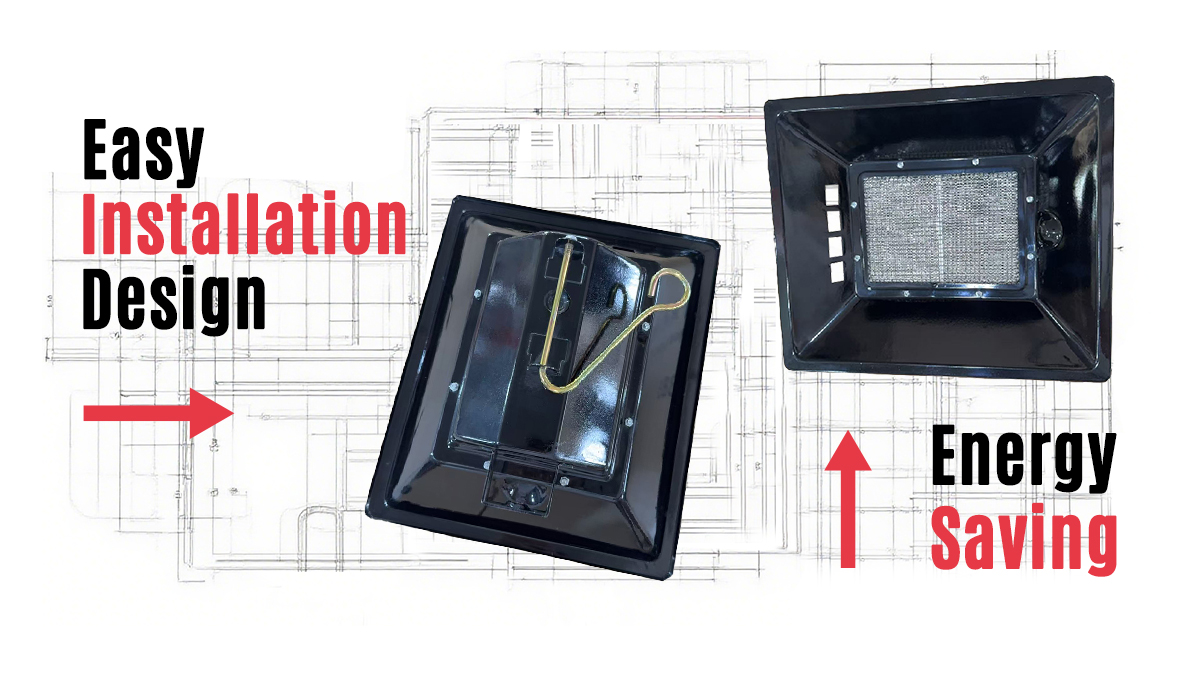
In terms of energy efficiency comparison, Jackwal infrared burners achieve an energy conversion efficiency of up to 90%, while traditional natural gas burners have only 55% efficiency and electric resistance heating has 65% efficiency. This means that Jackwal infrared burners consume less energy to produce the same amount of heat, directly reducing users’ energy costs. For example, a food processing plant reduced energy costs by 40% after implementation, and a breeding farm saw a 35% decrease in winter energy consumption.


6.Where can infrared burners be purchased?

Give priority to purchasing through Jackwal’s official channels to ensure that the accessories match the model of the equipment.


7.In which specific industries or scenarios can Jackwal infrared burners be used?

In addition to general heating scenarios, the core applicable industries and scenarios include: Daily household use: Food baking and heating. Food processing: such as heating in baking ovens, thawing meat, and making sauces. Agricultural breeding: such as heating up the hatching boxes for chicks and local heating in greenhouses.